
Many older homes have a charm that newer properties simply can’t match, but aging electrical systems are one feature that should never be overlooked. While an older electrical system may still function, decades of wear and outdated materials can create serious safety concerns for homeowners.
One of the biggest risks is overloaded wiring. Homes built many years ago were not designed to handle today’s electrical demands, including large televisions, computers, kitchen appliances, and electric vehicle chargers. Overloaded circuits can overheat, increasing the risk of electrical fires.
Outdated components are another concern. Older fuse boxes, aluminum wiring, and knob-and-tube wiring may no longer meet modern safety standards. These systems can deteriorate over time or become damaged during renovations, creating hidden hazards behind walls and ceilings.
Frequent tripped breakers, flickering lights, warm outlets, or burning odors are all warning signs that an electrical system may need attention. Ignoring these issues can allow minor problems to develop into costly repairs—or worse, dangerous situations that threaten both property and personal safety.
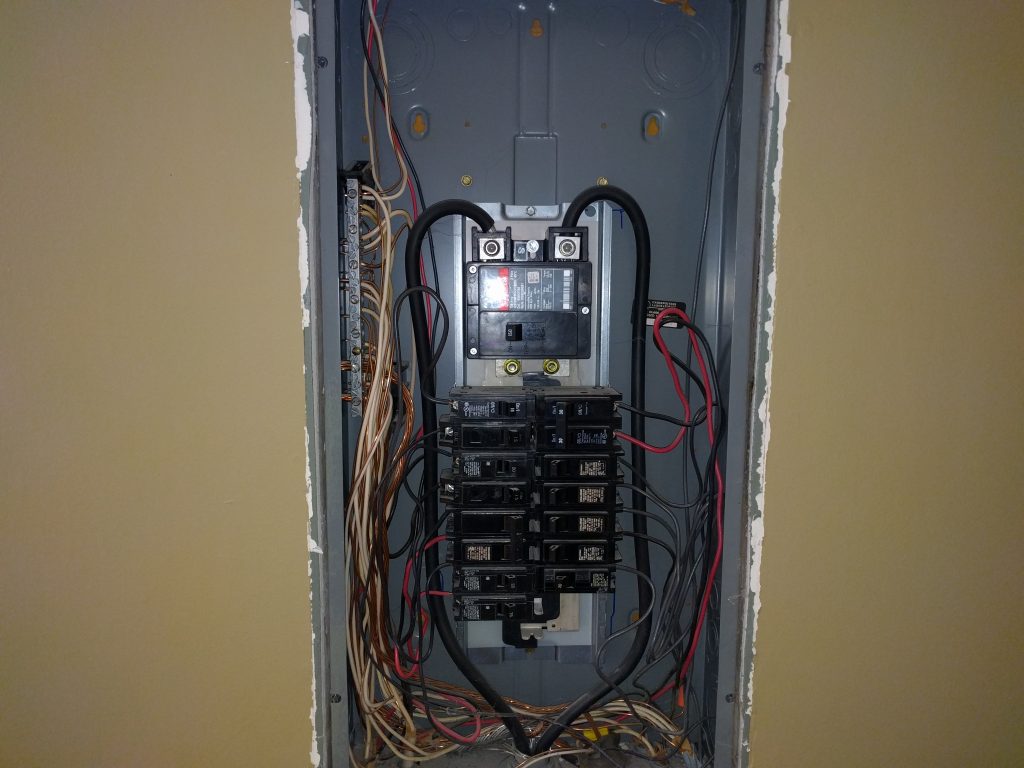
A professional home inspection can identify visible electrical deficiencies and alert homeowners to conditions that warrant further evaluation by a licensed electrician. While inspectors do not perform invasive testing, they can spot many common concerns, including outdated panels, improper wiring, missing safety devices, and other potential hazards.
If you own an older home or are considering buying one, don’t assume the electrical system is safe simply because the lights turn on. Having the system evaluated can provide valuable peace of mind and help you prioritize necessary upgrades. Investing in electrical safety today can protect your family, improve your home’s reliability, and reduce the risk of expensive repairs in the future.
Recent Comments